
Before it became a global spectacle filling arenas like Madison Square Garden, before million-dollar prize pools and sold-out crowds, Professional Bull Riding was born out of frustration, grit, and a simple belief: bull riders deserved more.
A Sport on the Margins
In the early 1990s, bull riding existed largely as a sideshow within traditional rodeo. Riders risked life and limb for eight seconds on the rankest animals in the world, yet had little control over scheduling, payouts, or how the sport was presented. Events were scattered, prize money was inconsistent, and bull riding—despite being the most dangerous and electrifying event—was often treated as an afterthought.
The riders knew something had to change.
The Night That Started It All
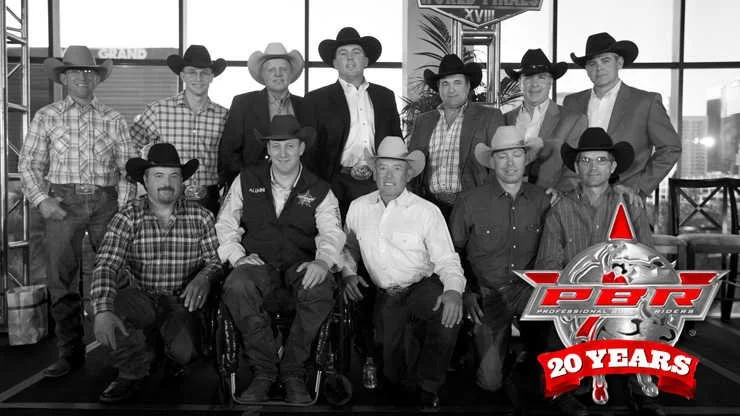
In 1992, a group of 20 professional bull riders gathered in a hotel room in Colorado Springs with a radical idea: create a tour by riders, for riders. Among them were future legends like Cody Lambert, Tuff Hedeman, and Lane Frost’s close peers and contemporaries who carried his influence forward.
They pooled $1,000 each to form a new organization—one focused solely on bull riding. No rodeo filler. No compromises.
That organization became Professional Bull Riders (PBR).
A New Vision for Bull Riding
From the start, PBR was different.
Bull riding only — no other rodeo events
Head-to-head competition
Clear standings and season-long narratives
Better prize money and athlete control
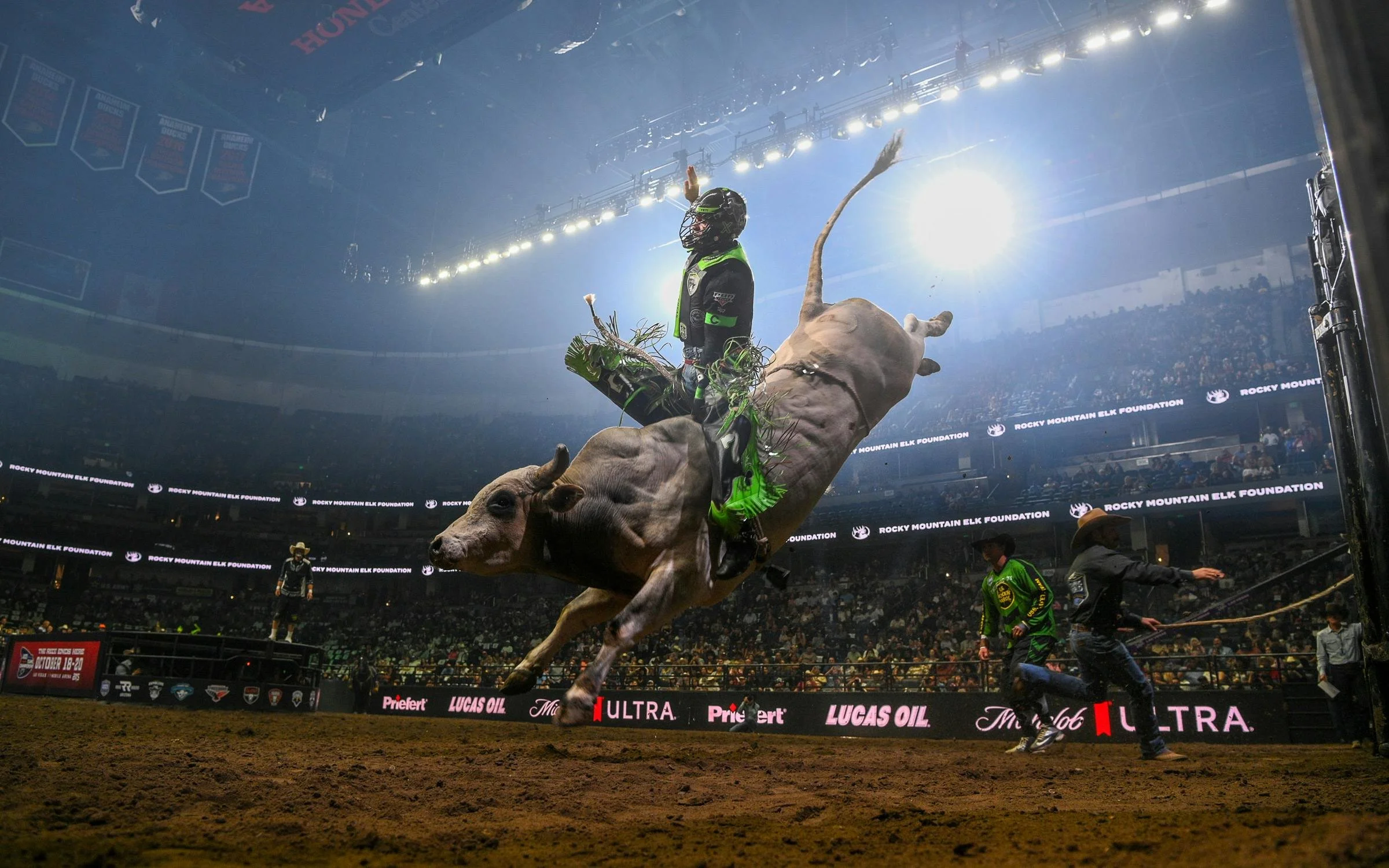
The vision was simple but bold: present bull riding like a major professional sport, with rankings, storylines, rivalries, and stars fans could follow week after week.
In 1994, the organization launched its first official tour. By 1997, PBR introduced a season-ending championship that would later evolve into the Unleash The Beast tour—cementing bull riding as a standalone global sport.
From Rodeo Arenas to World-Class Venues
What followed was explosive growth.
PBR moved bull riding from dusty rodeo grounds into NBA and NHL arenas, bringing the sport to urban audiences who had never seen it live. Pyrotechnics, athlete introductions, instant replays, and broadcast storytelling transformed the experience.
Suddenly, bull riders weren’t just competitors—they were professional athletes with brands, sponsors, and fan followings.
Television deals followed. Global expansion followed. Legends were born.
The Rise of Modern Bull Riding
By the 2000s, PBR had reshaped the landscape entirely. Riders like Chris Shivers, Adriano Moraes, and later J.B. Mauney became household names within the sport.
Prize money soared. Training became more specialized. Bulls themselves became stars, bred and managed as elite athletes.
What began as a rebellion had become an institution.
Evolution Without Losing Its Edge
Even as PBR expanded globally—with events across the United States, Brazil, Australia, and beyond—it never lost its core identity: the most dangerous eight seconds in sports.
Recent innovations like the PBR Teams league and the Monster Energy Team Challenge have added new layers of competition while honoring the original mission—put riders first and showcase bull riding at the highest possible level.
A Legacy Forged in Risk
The origin of PBR isn’t just a business story—it’s a cultural one. It’s about athletes taking control of their future, betting on themselves, and redefining how a sport could be built.
From a hotel room and $20,000 in pooled cash to sold-out arenas and global broadcasts, PBR stands as proof that sometimes, the most powerful movements start with a few riders willing to say: there has to be a better way.
And every time the chute gate swings open, that original vision lives on—eight seconds at a time. 🐂🔥