Eight Seconds That Changed a Sport: The Origin Story of PBR


Before it became a global spectacle filling arenas like Madison Square Garden, before million-dollar prize pools and sold-out crowds, Professional Bull Riding was born out of frustration, grit, and a simple belief: bull riders deserved more.

A Sport on the Margins

In the early 1990s, bull riding existed largely as a sideshow within traditional rodeo. Riders risked life and limb for eight seconds on the rankest animals in the world, yet had little control over scheduling, payouts, or how the sport was presented. Events were scattered, prize money was inconsistent, and bull riding—despite being the most dangerous and electrifying event—was often treated as an afterthought.

The riders knew something had to change.

The Night That Started It All

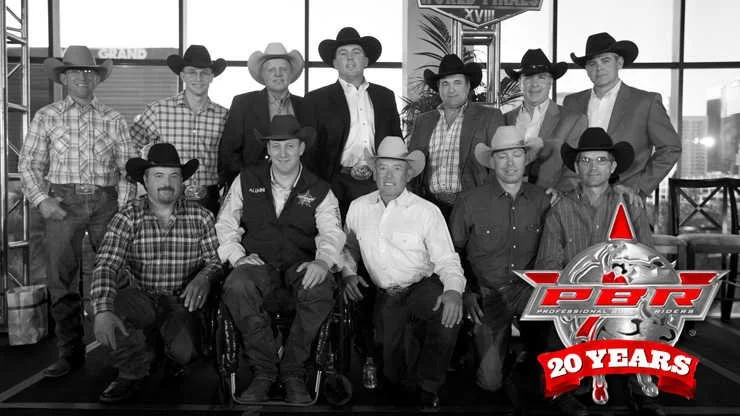
In 1992, a group of 20 professional bull riders gathered in a hotel room in Colorado Springs with a radical idea: create a tour by riders, for riders. Among them were future legends like Cody Lambert, Tuff Hedeman, and Lane Frost’s close peers and contemporaries who carried his influence forward.

They pooled $1,000 each to form a new organization—one focused solely on bull riding. No rodeo filler. No compromises.

That organization became Professional Bull Riders (PBR).

A New Vision for Bull Riding

From the start, PBR was different.

  • Bull riding only — no other rodeo events

  • Head-to-head competition

  • Clear standings and season-long narratives

  • Better prize money and athlete control
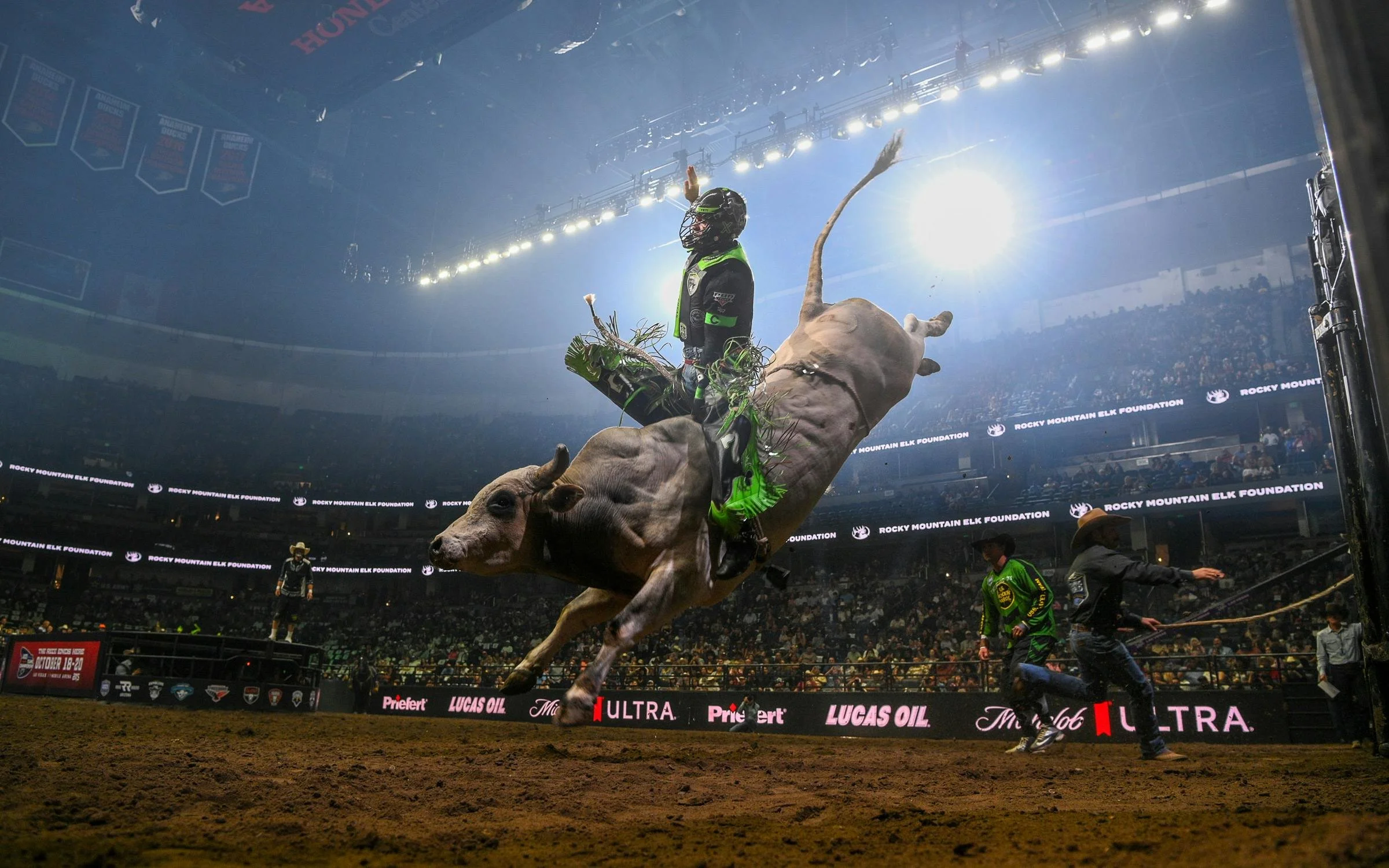
The vision was simple but bold: present bull riding like a major professional sport, with rankings, storylines, rivalries, and stars fans could follow week after week.

In 1994, the organization launched its first official tour. By 1997, PBR introduced a season-ending championship that would later evolve into the Unleash The Beast tour—cementing bull riding as a standalone global sport.

From Rodeo Arenas to World-Class Venues

What followed was explosive growth.

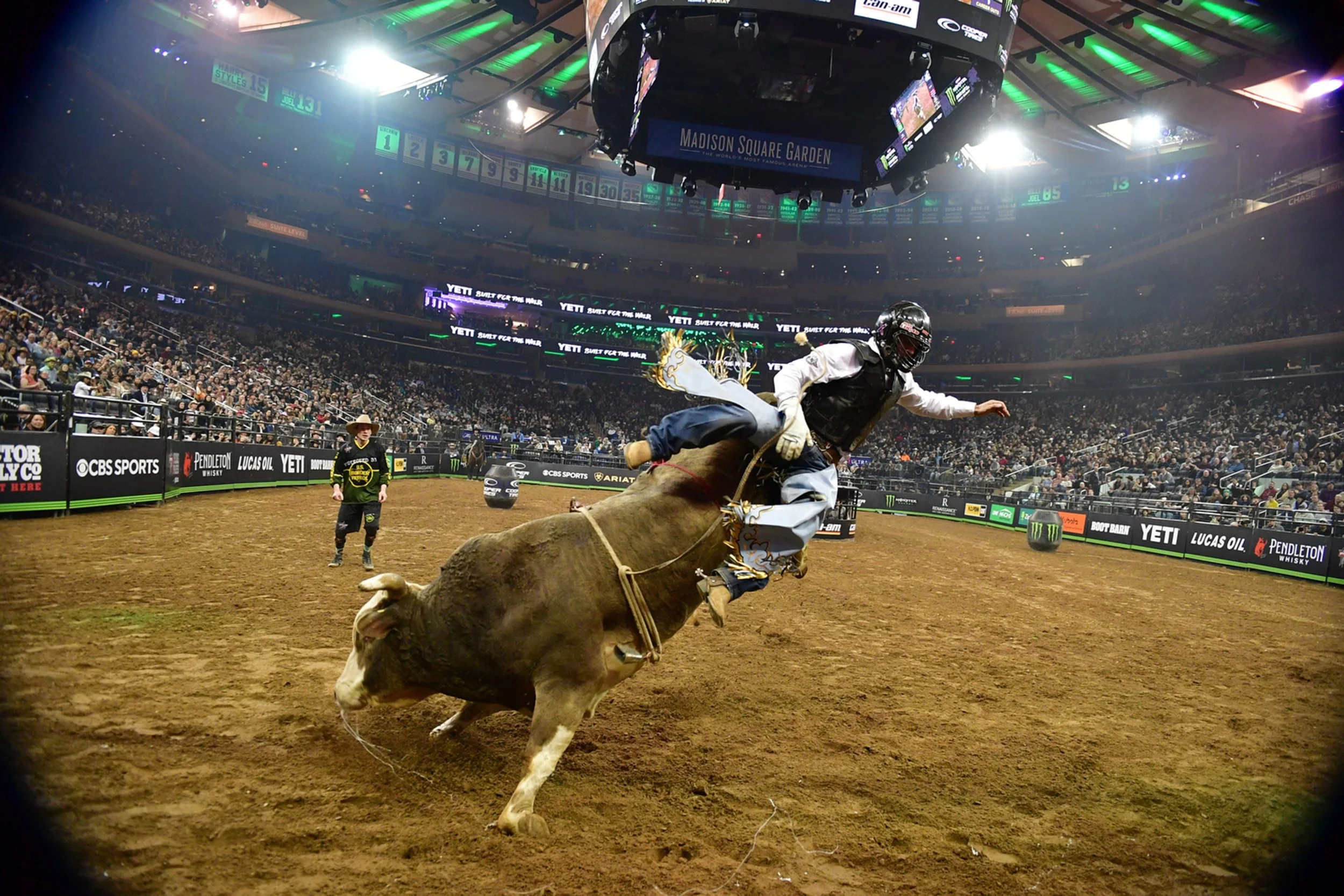
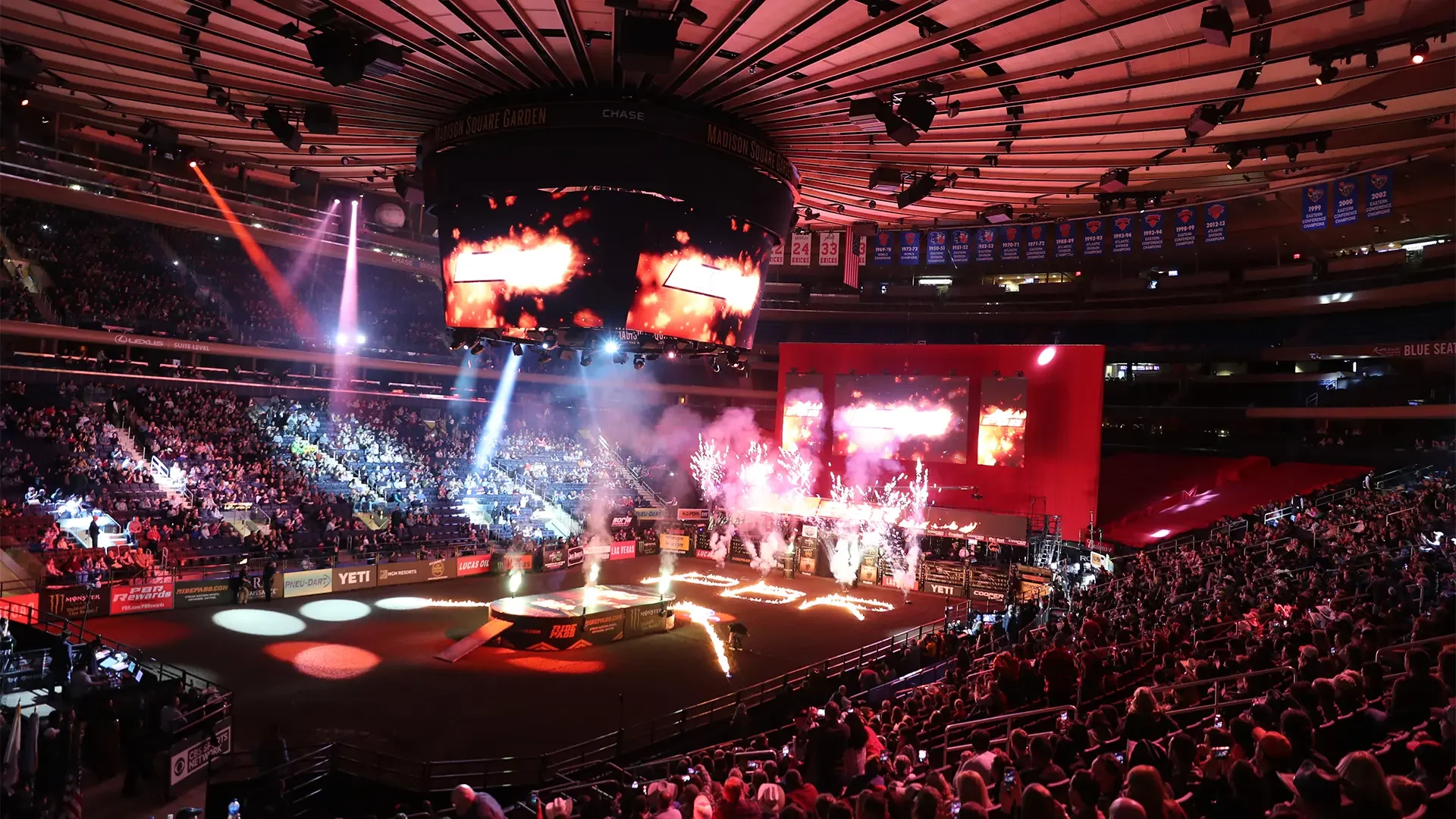
PBR moved bull riding from dusty rodeo grounds into NBA and NHL arenas, bringing the sport to urban audiences who had never seen it live. Pyrotechnics, athlete introductions, instant replays, and broadcast storytelling transformed the experience.

Suddenly, bull riders weren’t just competitors—they were professional athletes with brands, sponsors, and fan followings.

Television deals followed. Global expansion followed. Legends were born.

The Rise of Modern Bull Riding

By the 2000s, PBR had reshaped the landscape entirely. Riders like Chris Shivers, Adriano Moraes, and later J.B. Mauney became household names within the sport.

Prize money soared. Training became more specialized. Bulls themselves became stars, bred and managed as elite athletes.

What began as a rebellion had become an institution.

Evolution Without Losing Its Edge

Even as PBR expanded globally—with events across the United States, Brazil, Australia, and beyond—it never lost its core identity: the most dangerous eight seconds in sports.

Recent innovations like the PBR Teams league and the Monster Energy Team Challenge have added new layers of competition while honoring the original mission—put riders first and showcase bull riding at the highest possible level.

A Legacy Forged in Risk

The origin of PBR isn’t just a business story—it’s a cultural one. It’s about athletes taking control of their future, betting on themselves, and redefining how a sport could be built.

From a hotel room and $20,000 in pooled cash to sold-out arenas and global broadcasts, PBR stands as proof that sometimes, the most powerful movements start with a few riders willing to say: there has to be a better way.

And every time the chute gate swings open, that original vision lives on—eight seconds at a time. 🐂🔥
Cooper Davis: Grit, Recovery, and the Relentless Heart of a Champion


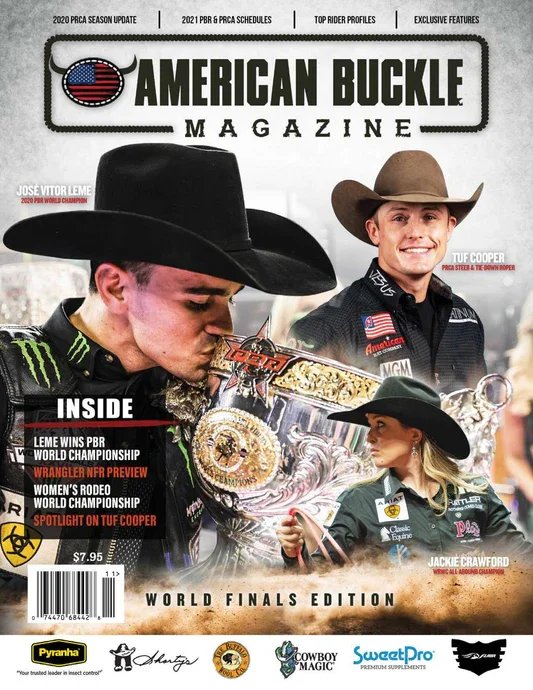
In a sport defined by chaos, courage, and eight seconds that can change a life, Cooper Davis stands as one of Professional Bull Riding’s most compelling figures. A former World Champion, Davis represents the full arc of what it means to compete at the highest level—not just through victories, but through hardship, recovery, and redemption forged far beyond the bucking chutes.

From Oklahoma Roots to the World Stage

Raised in Oklahoma, Davis grew up immersed in rodeo culture, learning early that success in bull riding is earned through discipline and repetition. His rise through the ranks wasn’t built on flash—it was built on fundamentals. Balance, timing, and a deep understanding of bull movement became his calling cards.

That steady approach culminated in 2016, when Davis captured the PBR World Championship and the coveted gold buckle. The title was a reflection of consistency as much as talent. Night after night, city after city, Davis proved he could perform under pressure—an attribute that would come to define his career.

A Career Shaped by Injury—and What Came After

As with most long-tenured bull riders, Davis’ career has been repeatedly tested by injury. Shoulder damage, surgeries, and extended rehabilitation periods became familiar territory. Each setback demanded patience, discipline, and an uncomfortable amount of time away from competition.

But beyond the physical toll of broken bones and rehab rooms, Davis has acknowledged how the cycle of injury recovery and pain management can quietly become a crossroads for professional athletes. In a sport where riding hurt is often normalized, the line between treatment and coping can blur.

For Davis, confronting that reality became a turning point. Rather than allowing injuries and pain to define the decline of his career, he chose accountability, structure, and recovery—both physically and personally. That decision marked a moment of redemption, reshaping his relationship with the sport and redefining what toughness truly means. His journey underscored a truth rarely discussed in bull riding: longevity isn’t earned solely by getting back on the bull, but by taking care of the person underneath the helmet.

Leadership in the PBR Teams Era

That evolution has naturally positioned Davis as a leader in the modern era of the sport. With the introduction of PBR Teams, his value has extended well beyond points on a scoreboard. Calm, prepared, and unflappable, Davis has become a steady presence in locker rooms filled with both rising stars and seasoned veterans.

Younger riders look to him not just for riding advice, but for guidance on handling the mental grind of the tour—travel, pressure, injuries, and expectations. His example shows that professionalism isn’t loud; it’s consistent.

Style, Discipline, and Staying Power

What continues to set Cooper Davis apart is how he competes. His riding style favors control over chaos, patience over panic. In a sport driven by adrenaline, Davis thrives on discipline. That approach has allowed him to adapt as the competition has grown deeper and younger.

While others burn bright and fade quickly, Davis has shown that mastery evolves. His ability to adjust—physically, mentally, and emotionally—has given him staying power in one of the most unforgiving sports on earth.

More Than a Champion

Beyond the arena, Cooper Davis is respected for his integrity. He represents bull riding with humility, whether celebrating victories or navigating setbacks quietly. Fans see the grit. Fellow riders see the growth.

Championships define moments, but resilience defines legacies. Cooper Davis’ legacy is still being written—not just through eight-second rides, but through the choices he’s made to confront adversity head-on and come back stronger.

Final Thoughts

In an era filled with emerging talent and relentless competition, Cooper Davis remains a benchmark for what a complete professional looks like. His story is no longer just about a gold buckle—it’s about endurance, recovery, and redemption.

And when Cooper Davis nods his head, it’s a reminder that the toughest rides aren’t always the ones that happen inside the arena.

The Garden Roars Again: Key Storylines Heading Into PBR New York


The 2026 season continues to build momentum as Professional Bull Riders returns to Madison Square Garden for one of the most anticipated stops on the Unleash The Beast (UTB) tour. This weekend marks the second event of the new year, but more importantly, a landmark moment for the sport itself.

For the 19th time, the world’s toughest bulls will buck inside the Garden, further cementing MSG’s legacy as one of the most iconic stages in bull riding. Adding a new layer of intensity, New York also becomes the first UTB stop to feature the Monster Energy Team Challenge woven directly into individual competition, creating a hybrid weekend where personal glory and team pride collide.

A Gritty Comeback: Callum Miller Eyes a Return

One of the most compelling storylines centers on Callum Miller, who has flights booked and hopes to return after suffering a fractured jaw in Week 2 in Chicago. Pending final clearance through concussion protocol, Miller is expected to be back in the draw—and not just for individual points.

If cleared, he’ll also suit up for the Austin Gamblers in the Monster Energy Team Challenge, making his potential return even more dramatic. A comeback at Madison Square Garden is never small—but returning here after injury elevates the moment to something unforgettable.

Can Brady Fielder Keep the Streak Alive?

Fresh off a win in Boston, Brady Fielder arrives in New York with undeniable momentum. What makes his run even more remarkable is its consistency:

  • Manchester (2023)

  • Chicago (2024)

  • Boston (2025)

At every stop he’s competed in during his UTB career, Fielder has walked away with an event win. Now, the question looms large—can he keep the streak alive under the lights of the Garden? If history is any indication, betting against him would be risky.

Renewed Fire: Daylon Swearingen Feeds Off the East Coast

After his first ride back in three months resulted in a round win, Daylon Swearingen enters New York reenergized and confident. Swearingen credits his new bride, Sierra, with helping him rediscover both his rhythm and his love for the sport.

Boston’s crowd helped light the spark, but Swearingen is already looking ahead to Madison Square Garden—an arena he describes as unlike any other, especially when hearing his name echo through the building. For a rider fueled by emotion and atmosphere, MSG could be the perfect stage.

Young Talent Returns: Cort McFadden Back in the Mix

Another storyline to watch is the return of Cort McFadden. Sidelined by injury during PBR Teams, McFadden has shown veteran-like patience throughout his recovery and now rejoins UTB action hungry to make an impact.

This weekend will be especially meaningful, as McFadden will have extra support in the stands—his mom and sistersare set to attend, adding a personal layer to an already emotional return.

Championship Pedigree: Jess Lockwood Returns

Adding even more intrigue, Jess Lockwood makes his return to both the Unleash The Beast tour and the Monster Energy Team Challenge. Lockwood recently helped the Carolina Cowboys capture the PBR Teams Championship buckle in Las Vegas and is now cleared after recovering from a broken collarbone.

Set for double duty in New York, Lockwood brings championship experience, composure, and pressure-tested skill back into both the individual standings and team battles—exactly the kind of presence that can shift a weekend.

A Pivotal Weekend in the Race for Gold

With individual standings tightening, momentum swinging, families filling the stands, and the Monster Energy Team Challenge debuting at Madison Square Garden, New York is primed to deliver one of the most pivotal weekends of the 2026 season.

In the world’s most iconic arena, legacies are tested—and sometimes rewritten.

Stay Connected

Follow Professional Bull Riders on X (Twitter) and Facebook for live updates, videos, and behind-the-scenes content all weekend long.